Carbs Aren’t the Villain. Your Scale Is Just Dramatic
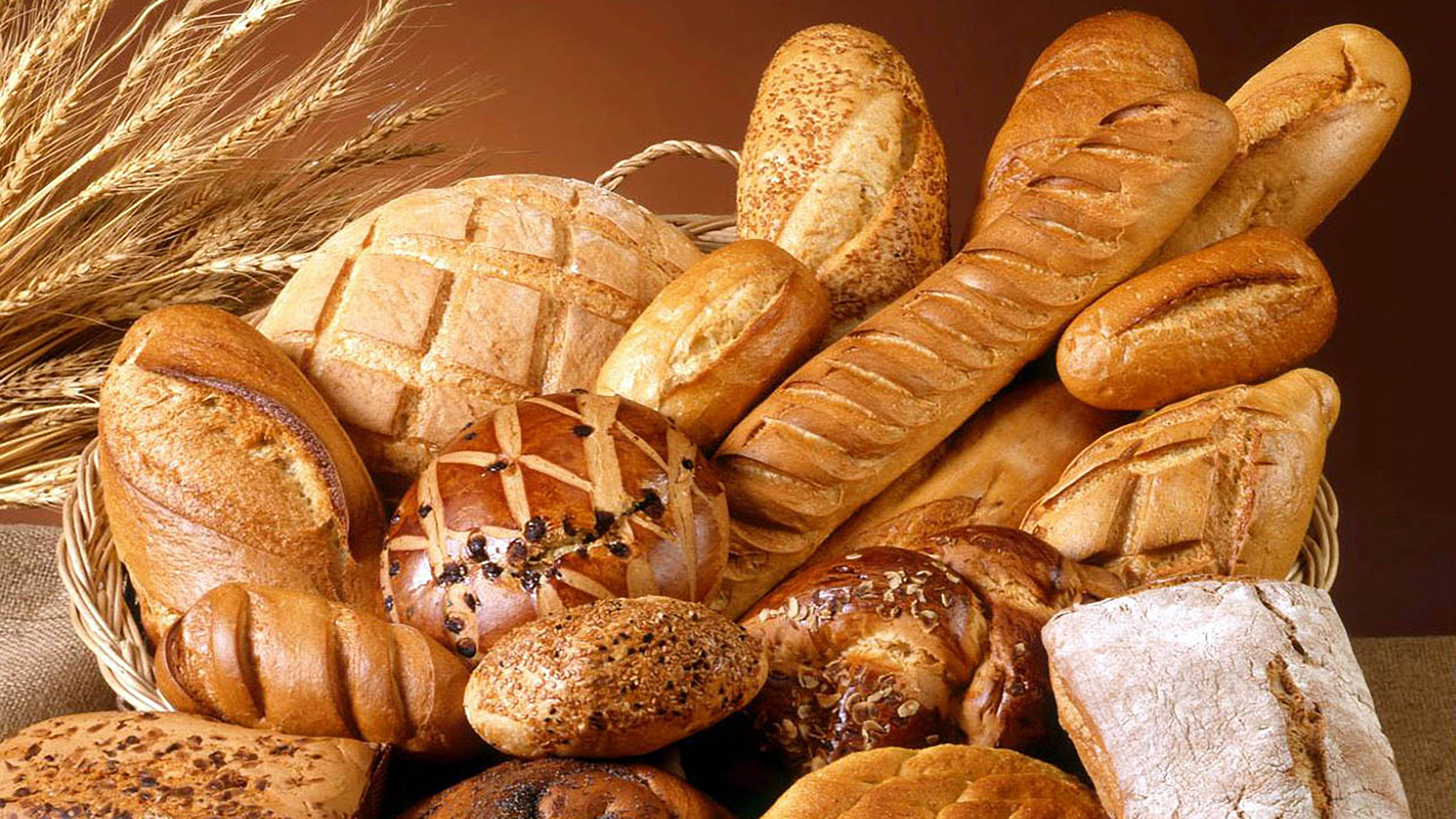
Photo by mohamed hassouna on Unsplash
If carbs make you nervous, you are in good company. I spent seasons treating bread like a trap and pasta like a personality flaw. This article is here to calm your brain, feed your body, and give your nervous system proof that food is not out to get you.
How bread got framed for a crime it did not commit
A quick history lesson. In the early 70s a best seller told the world that carbohydrates were the culprit. Decades later the keto trend rolled in, said “hold my butter,” and the internet crowned bacon king while bananas got side-eye. Important detail. The ketogenic diet began as a medical therapy for epilepsy in the 1920s and still has clinical uses today. That is real. Turning it into a universal lifestyle rule is not.
Why did low carb catch fire. Because cutting carbs at first looks magical. You see the scale drop quickly. What is really happening is a water shift. Your body empties carbohydrate storage tanks, called glycogen, and the water that lives with them leaves too. Add carbs back, the tanks refill with water, the number climbs, and noodles get blamed. That is the origin story. Not fair, noodles.
What carbohydrates actually do for you
Carbs break down into glucose. Glucose is quick-access energy. Your brain hums along more smoothly with a steady trickle of it. Focus, mood, and mental stamina usually feel better when the flow is consistent.
Your muscles also love carbs when you need speed or power. Walk uphill, take the stairs two at a time, push a sled, carry all the groceries in one trip, your body taps carbohydrate. After meals, some glucose is stored as glycogen in muscle and liver. Think of glycogen as your portable charger. It keeps you moving between meals and helps you perform and recover.
Carbs also spare protein. If you go very low, your liver and a bit of your kidneys make glucose anyway through gluconeogenesis, using lactate from working muscles, glycerol from fat, and amino acids from protein. That survival plan is why there are essential amino acids and essential fatty acids but no “essential carbohydrate.” Helpful in a pinch, costly if it is your daily strategy because it can tap into protein you would rather use for repair. Translation: use carbs as the power line, keep the generator for emergencies.
“I ate pasta and gained three pounds overnight.” Let’s do the math
Here is the clean explanation. Glycogen pulls water in like a sponge. On average, one gram of glycogen carries roughly three grams of water. If your body restocks about 400 grams of glycogen after a low carb stretch, about 1,200 grams of water can tag along. That is around 1.6 kilograms total, close to 3.5 pounds. Add a salty meal and food still passing through the gut and the number looks even louder. None of this is body fat. It is hydration, storage, and timing.
This is why the scale is a terrible daily score. It reacts to water, sodium, hormones, sore muscles, and bathroom schedules. If you choose to use it, watch the trend over weeks. Better day to day data lives in energy, strength, sleep, mood, digestion, and how your clothes fit. If the scale bullies you, put it in a closet for a month.
Simple, complex, and why “packaging” changes the ride
All digestible carbs eventually become glucose. What changes your experience is the package they arrive in.
Fruit brings sugar with water, fiber, vitamins, minerals, and polyphenols that slow absorption and support health. Soda brings sugar with speed. Neither is morally good or bad. They are tools for different jobs. Mid workout or mid game, quick sugar and electrolytes keep the engine from sputtering. At everyday meals, the slower packages are your best friends. Fruits, vegetables, beans, and whole grains steady energy, help digestion, and keep you satisfied. Let added sugars be the sprinkles you use on purpose, not the whole dessert case.
When should someone actually avoid carbohydrates
Almost never, unless there is a specific medical reason. Therapeutic ketogenic diets are used for drug resistant epilepsy and rare metabolic disorders such as GLUT1 deficiency and pyruvate dehydrogenase complex deficiency. That is medicine that looks like a menu and it belongs with a physician and a Registered Dietitian.
People with diabetes may choose a lower carb pattern. That can be reasonable when supervised, especially if medications like insulin or sulfonylureas are in the mix, since doses often need adjusting.
In pregnancy, carbohydrate needs go up. Routine restriction is not recommended. Feed the human you are growing and the human who is growing them.
For IBS, a short, structured low FODMAP phase can identify triggers, then foods are reintroduced. Before a colonoscopy, a brief low fiber plan helps with prep. Post surgery or during a flare, temporary changes may help. These are time limited protocols, not permanent identities.
Allergies and intolerances are specific. Celiac disease means gluten free, not carb free. Lactose intolerance means choosing lactose free or fermented dairy, not breaking up with fruit, rice, or potatoes.
If you need a medical meal plan, work with a Registered Dietitian. Creating medical meal plans is outside a nutritionist’s scope of practice.
Gentle guardrails you can use this week
If carbs feel scary, we go small on purpose. Start with the easiest add you could handle on your most tired Tuesday. Add fruit to breakfast. Add beans or lentils at lunch. Add potatoes or rice at dinner. Keep dessert if you love it. You are practicing trust, not building a new rule book. If these ideas spike anxiety, shrink the step. Half portions count. Pair carbs with protein and fat so the meal feels steady. Eat seated. Put your phone down for five minutes. Notice two hours later how your energy, mood, and digestion feel.
Use a flexible plate. Most meals get a fiber rich carb, a protein you enjoy, some fat for satisfaction, and some color. Oatmeal with berries and yogurt. Burrito bowl with rice, beans, veggies, and chicken. Pasta with tomato sauce, olive oil, and a salad. Food is not a character test. It is fuel.
Match carbs to your day. Train hard, place more carbs around that session. Not training, spread them out so energy stays steady. If the number jumps after pasta night, remember the water explanation. Drink water, take a short walk, go to bed on time, and return to normal meals. If the scale keeps shouting, hide it.
The big picture
Carbs are not a confession. They are fuel. Most people feel best with a mix of carbohydrates, proteins, and fats that fits their culture, preferences, and real life. You can be healthy with rice. You can be healthy with pasta. You can be healthy with tortillas. Your plate should look like your life.
Choose meals that help you feel steady and strong. Keep what helps. Let go of what does not. Every time you choose fuel over fear, you are building self trust. Step by step, that is how you unveil the beautiful Beast within you.
Watch the YouTube Video Here:
Sources and references
Ketogenic Diet and Epilepsy: What We Know So Far
https://pmc.ncbi.nlm.nih.gov/articles/PMC6361831/
Variation in Total Body Water with Muscle Glycogen Changes in Man
https://pubmed.ncbi.nlm.nih.gov/5475323/
Muscle Glycogen Assessment and Relationship with Body Water
https://pmc.ncbi.nlm.nih.gov/articles/PMC9823884/
Carbohydrate Quality and Human Health: A Series of Systematic Reviews and Meta-analyses
https://www.thelancet.com/journals/lancet/article/PIIS0140-6736(18)31809-9/fulltext
Whole Grain Consumption and Risk of Cardiovascular Disease, Cancer, and All Cause and Cause Specific Mortality
https://www.bmj.com/content/353/bmj.i2716
Physiology, Gluconeogenesis
https://www.ncbi.nlm.nih.gov/books/NBK541119/