Naps Are Not Lazy: Why Rest Feels So Guilty and How to Nap Without Wrecking Your Sleep
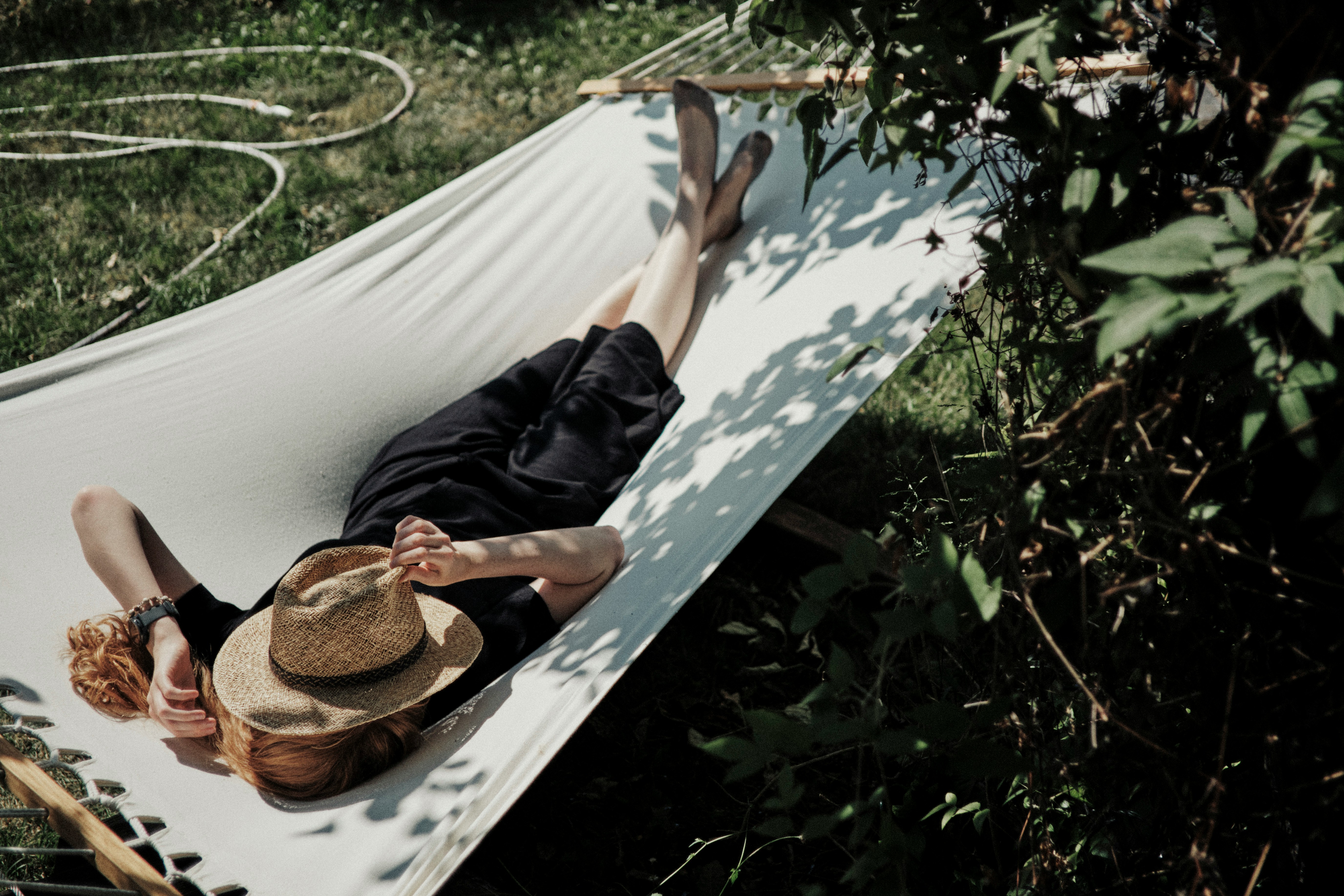
Photo by Florian Siedl on Unsplash
There is a strange little thing that happens when you become an adult.
As a kid, naps are encouraged. Expected, even. Adults dim the lights, roll out the mat, and practically beg you to give everyone a few minutes of peace. Nobody questions whether a child “deserves” rest. Nobody pulls a toddler aside and asks if they have finished their emails first.
Then adulthood shows up, kicks the nap mat into traffic, and suddenly needing rest during the day feels suspicious.
You can be exhausted, foggy, emotionally crispy, and surviving on coffee fumes, but the second you think about lying down for twenty minutes, the guilt arrives. The dishes are still there. The laundry is still there. The unanswered message is still there. The random thing on the counter that nobody knows what to do with is still standing its ground like it signed a lease.
And because all of those things are still there, rest starts to feel irresponsible.
But here is the truth: life does not pause long enough for you to “earn” rest. There will always be another dish, another sock, another errand, another email, another weird little household task waiting in the corner like it pays rent. That is not because you are failing. That is just being alive with responsibilities and a kitchen.
If rest only happens after everything is finished, rest never happens.
And that is a problem.
Nap Guilt Is Learned
Most of us were not born feeling guilty for resting. We learned it.
We learned it from productivity culture. From hustle culture. From jobs that praise exhaustion but call rest unprofessional. From family systems where being useful mattered more than being well. From wellness spaces that accidentally turn every healthy behavior into another performance review.
Somewhere along the way, rest became something you had to justify.
A nap became lazy.
A tired body became a weak body.
Taking a break became “falling behind.”
And now people can scroll for forty-five minutes pretending they are “checking one thing,” but a planned twenty-minute nap feels like a personal failure.
That is not health. That is turning rest into something you have to earn, and that is how people end up exhausted, resentful, and wondering why coffee is no longer doing its job.
Rest is not a prize for finishing your life perfectly. Rest is part of how your body keeps functioning while life is still happening.
Your Body Is Not a Machine
A nap is not proof that you are bad at adulthood. It is not childish. It is not lazy. It is not a moral issue.
Tiredness is your body letting you know the battery is low, and a nap is one possible way to plug yourself back in before you start buffering in public.
Your phone gets charged. Your laptop gets charged. Your car gets gas. Your Wi-Fi router gets unplugged and plugged back in because apparently that is still the highest form of modern technology. But when your actual human body needs a reset, people act like you should be able to out-discipline biology.
Good luck, babe. Biology has been here longer than your to-do list.
Bodies need recovery. That is not optional. You have a nervous system, hormones, muscles, emotions, responsibilities, stress, and probably a laundry situation that needs its own therapist. Sometimes you are tired because you slept badly. Sometimes you are tired because stress is high. Sometimes you are tired because you are parenting, caregiving, working, grieving, healing, running a household, or simply trying to exist in a world that thinks “busy” is a personality.
Sometimes your body is not asking for more discipline.
Sometimes it is asking to be horizontal.
Naps Actually Do Something
Naps are not just for toddlers, cats, and people who “have time.” Short naps can support alertness, mood, and performance. They can help your brain come back online when you are dragging through the day like a phone at 3%.
Most sleep guidance recommends keeping naps short, often around 20 to 30 minutes. That window can give you some of the benefits of rest without pulling you too deeply into sleep.
That part matters because deeper sleep is where naps can get chaotic.
A short nap can feel like a reset. A long accidental nap can feel like you got spiritually unplugged and reinserted into the wrong timeline. You wake up at 5:48 p.m. with dry mouth, pillow lines, one sock missing, your left boob attempting an escape through the tank top armhole, and no idea whether you are late for work, dinner, school, or your own birth.
That awful groggy feeling has a name: sleep inertia.
Sleep inertia is the heavy, disoriented, foggy feeling that can happen when you wake up from deeper sleep. Very official. Very rude.
This is why a shorter nap can leave you feeling more human, while a longer nap can leave you staring at the wall like your brain is still waiting for tech support.
Naps can help, but they usually work better when they are used intentionally instead of accidentally becoming a full-body system crash.
Even NASA Took Naps Seriously
One of the best arguments for naps is that NASA has studied planned rest in long-haul flight operations. Strategic naps have been shown to support alertness and performance, which makes sense because even pilots are not powered by coffee, vibes, and tiny pretzels.
So when someone acts like naps are silly, please enjoy the fact that NASA took them seriously enough to study them.
Rest is not just a soft, fluffy wellness idea. It is part of fatigue management. It matters for people doing high-stakes work. It matters for shift workers. It matters for parents. It matters for caregivers. It matters for anyone trying to function without turning into a public safety concern in Target at 4 p.m.
Needing rest does not make you dramatic.
It makes you human.
Rest Is Cultural, Too
The way we think about naps is not just biological. It is cultural.
Some cultures and workplaces make more room for midday rest than the average American workday does. China has a long-standing midday rest culture. Japan has a more culturally accepted version of dozing in public or work settings. Spain is famous for the siesta, although modern Spain is not just one giant afternoon nap with tapas and dramatic curtains.
The point is not that everyone else has rest figured out perfectly.
The point is that our beliefs about naps are shaped by the culture around us.
A lot of us were handed a culture that says if you are tired, pour caffeine on the problem, smile through the eye twitch, and keep performing “fine” until further notice. America really said, “Best I can do is burnt break-room coffee, one plastic fork, and a chair from 1998.”
So maybe the problem is not that your body wants rest.
Maybe the problem is that rest has been treated like something that has to be approved, justified, and earned before you are allowed to have it.
The Three Nap Types
Not all naps feel the same, and not all naps are trying to tell you the same thing.
The Useful Nap
This is the short, intentional nap. Usually 10 to 20 minutes, maybe closer to 30 depending on the person. You wake up clearer. Your eyes stop burning. Your brain reconnects to Wi-Fi. Normal household sounds stop feeling like a personal attack.
This nap is doing its job.
The Mistake Nap
This is the nap that starts with “I’m just going to lie down for a second.”
Adorable.
Next thing you know, it is dark outside, your mouth tastes like regret, your hair is doing something legally questionable, and you are checking your phone with one eye open trying to figure out whether it is today or tomorrow.
That was not a nap. That was your body filing a hostile takeover of the afternoon.
Mistake naps happen. They do not make you bad at rest. They usually mean the nap was too long, too late, or your body was carrying a much bigger sleep debt than you realized.
The Shutdown Nap
This one deserves more compassion.
A shutdown nap is not just “I am a little sleepy.” It is the nap that happens when your body, brain, or nervous system has had enough. You are overloaded. Everything feels heavy. Your patience is gone. Your motivation is missing. Even basic things start feeling overwhelming or strangely out of reach.
Sometimes a shutdown nap is exactly what your body needs. Maybe you have been pushing through for days, weeks, or months, and the second your body gets a quiet room and half a chance, it powers down.
That does not mean you are lazy.
But it might be information.
If you need long naps all the time, cannot function without napping every day, or sleep a lot and still wake up exhausted, that is not a character flaw. It is a message worth paying attention to.
That kind of tired could be connected to poor nighttime sleep, stress, burnout, depression, anxiety, sleep apnea, medication side effects, chronic pain, hormone changes, thyroid issues, or something else that deserves support.
This is not about panicking or diagnosing yourself from a blog post. It is about noticing when your body keeps waving the same little flag.
Your body gives you information. Sometimes it whispers. Sometimes it yells. And sometimes it pulls you onto the couch because apparently the softer messages were not getting through.
Is It Rest, or Is It Escape?
This is where the conversation gets a little more honest.
A nap can be recovery.
A nap can also be escape.
That does not make it bad. It makes it worth noticing.
Sometimes life is too much. Work is too much. Parenting is too much. Caregiving is too much. Being perceived by other humans is too much. Making one more decision about dinner feels like negotiating a hostage situation with a rotisserie chicken.
Sleep can become the only place where nobody needs anything from you.
That is real.
The question is not, “Was this nap good or bad?” The question is, “What happened after?”
Did you wake up feeling steadier, clearer, and more able to function? Did you feel like your body got something it needed?
Or did you wake up feeling heavier, foggier, more avoidant, or more disconnected?
Neither answer makes you wrong. It is just data. And data is helpful when it is not being used by a fitness app to emotionally blackmail you.
How to Nap Without Wrecking Your Sleep
A nap works best when it supports the rest of your day instead of hijacking it.
Start short. Ten to twenty minutes is a good place for many people. Thirty minutes may work for some, but the longer the nap gets, the more likely you are to wake up groggy.
Set an alarm. Not the gentle little alarm that sounds like a fairy sneezing into a leaf. Use something that will actually wake you up, because tired you cannot be trusted. Tired you will swear you will wake up naturally. No you will not, Susan. You will wake up at 6:12 p.m. with one sock on and a new personality.
Pay attention to timing. For many people, early afternoon works best. Late naps, especially after about 3 p.m., can make nighttime sleep harder.
Real life matters, though. If you work nights, have a baby, are caregiving, or your schedule looks like it was built during a fire drill, your timing may be different. This is not about perfect wellness math. This is about finding what actually helps your body.
Keep the setup simple. Dark if possible. Quiet if possible. Comfortable if possible.
If getting the room dark is the annoying part, click here for the sleep mask I recommend. This is an affiliate link, which means I may earn a commission if you purchase through it at no additional cost to you. I only recommend products and resources I genuinely use, like, or believe may be helpful.
But do not turn the nap into a twelve-step spa ritual that requires candles, a diffuser, a weighted blanket, three apps, and a clean house.
You do not need a perfect sleep cave.
You need a timer and a place where nobody is actively asking you where the ketchup is.
Before you lie down, remind yourself what is happening. You are not quitting the day. You are not abandoning your responsibilities. You are taking a short rest so you can come back with more capacity.
Rest Even When It Feels Unfamiliar
If guilt shows up during your nap, that does not automatically mean you are doing something wrong.
Sometimes guilt means you are doing something unfamiliar.
Especially if you are used to earning rest through exhaustion.
Recovery is doing something. Rest supports patience, mood, decision-making, workouts, hunger cues, your nervous system, and your ability to not hiss at your family because someone asked what is for dinner.
This is not wasted time.
This is maintenance.
And yes, the dishes may still be there afterward. There are always dishes. The dishes have never once packed a bag and left because you took a nap. Unfortunately.
Let the guilt be there if it shows up. Notice it. Name it. Then rest anyway.
Sometimes Rest the Beast is not dramatic. It is not a retreat. It is not a bubble bath. It is not a full nervous system reset under the moon.
Sometimes Rest the Beast is setting a timer for twenty minutes, lying down with dog hair on your shirt, ignoring the laundry, and letting your body have the damn nap.
Try This Tiny Nap Experiment
This week, pay attention to your body’s rest signals.
When your body is genuinely asking for rest and it makes sense for your day, try a short nap without turning it into a full character evaluation.
Set an alarm for 10 to 20 minutes. Let the nap be imperfect. Check in afterward.
Do you feel clearer? More human? Less personally offended by normal sounds? Great. That nap probably helped.
Do you feel foggy, cranky, or like your soul is still buffering? Also useful. Try shorter next time. Try earlier. Try a different setup.
No shame. Just information.
Naps are not lazy. They are not proof that you are bad at adulthood. They are a tool. Sometimes they help your brain, mood, and nervous system come back online before you become a public safety concern at 4 p.m.
Your need for rest is not a moral failure. You do not have to earn rest by running yourself into the ground first.
So the next time your body says it needs twenty minutes, try not answering with shame.
Try answering with a timer.
Rest the Beast. Listen to your body before it has to scream at you. Close your eyes, ignore the laundry, and let your body have the damn nap.
And that’s how you start to unveil the Beautiful Beast within you.
Keep Reading
If naps are only one piece of your sleep puzzle, check out Why Sleep Is More Important Than Diet or Exercise. Click here to read it.
Watch the YouTube Video Here:
Want More From Beautiful Beast Within Studios?
Join The Weekly Unveiling:
https://beautifulbeastwithinstudios.com/join-newsletter
Explore Beautiful Beast Within Studios:
https://linktr.ee/beautifulbeastwithinstudios
Beastly Merch:
https://beautifulbeastwithinstudios.com/merch
Support Beautiful Beast Within Studios:
https://beautifulbeastwithinstudios.com/bbws-contribution-page
Sources and References
Mayo Clinic: Napping: Do’s and Don’ts for Healthy Adults
https://www.mayoclinic.org/healthy-lifestyle/adult-health/in-depth/napping/art-20048319
Sleep Foundation: Napping
https://www.sleepfoundation.org/napping
NASA Technical Reports: Effects of Planned Cockpit Rest on Crew Performance and Alertness
https://ntrs.nasa.gov/citations/19950006379
PubMed: Alertness Management: Strategic Naps in Operational Settings
https://pubmed.ncbi.nlm.nih.gov/10607214/
Reuters: China Tech Workers Asleep on the Job, With the Boss’s Blessing
https://www.reuters.com/article/business/china-tech-workers-asleep-on-the-job-with-the-bosss-blessing-idUSKCN0Y12TH/
Reuters: Working, Eating and Sleeping at the Office
https://widerimage.reuters.com/story/working-eating-and-sleeping-at-the-office
Population Europe: Siesta Break vs. Family Time
https://population-europe.eu/research/popdigests/siesta-break-vs-family-time