
The Beastly Blog
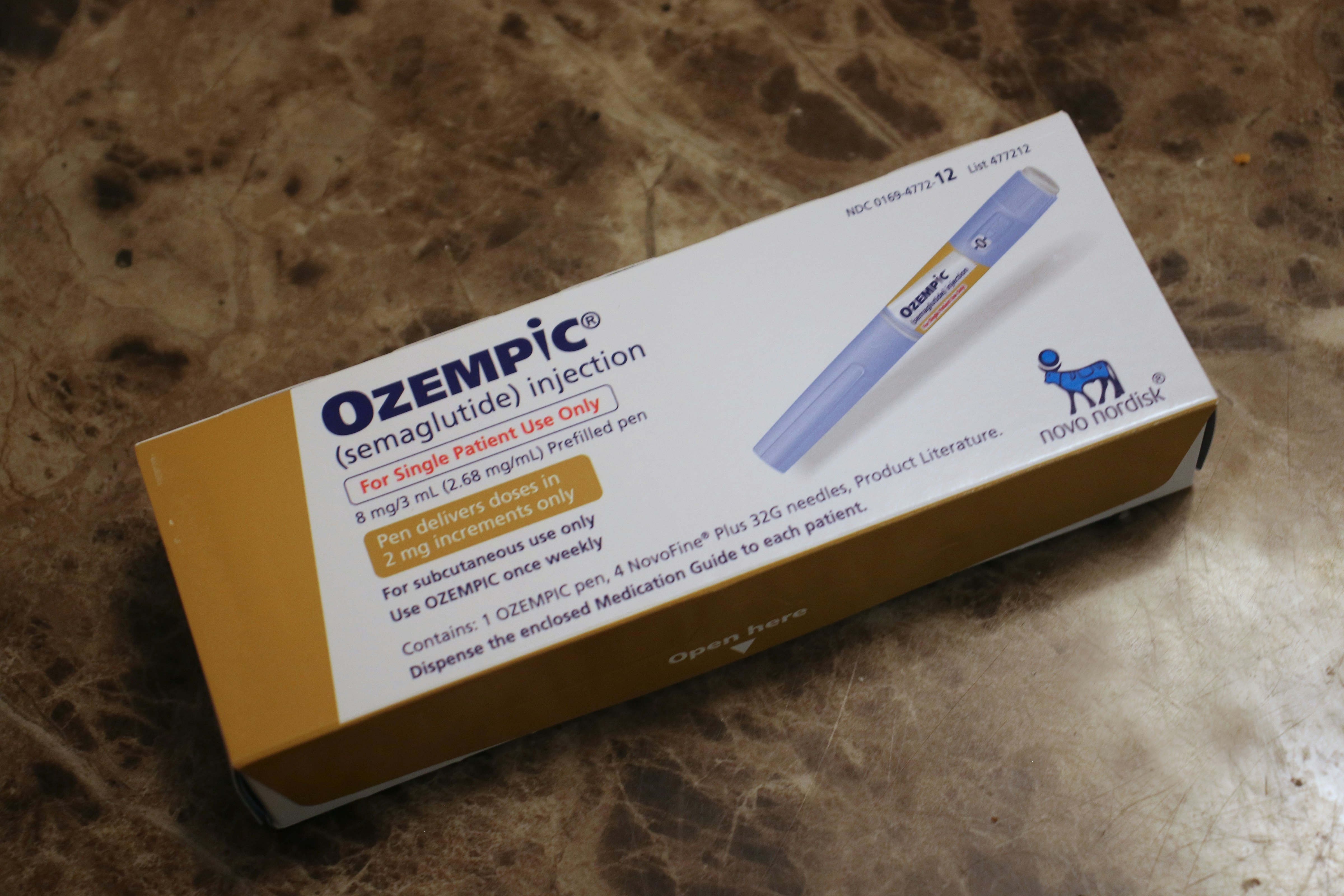
Ozempic: Miracle, Monster, or Misunderstood? The Science Behind GLP-1 Medications
Photo by David Trinks on Unsplash
Ozempic. Wegovy. Mounjaro. Zepbound.
These are the medications that have completely taken over the internet. They’re the ones everyone seems to be fighting about, freaking out over, or quietly wondering if they should try.
Depending on where you scroll, you’ve probably heard them described as miracle shots, dangerous fads, celebrity cheats, or the diet industry’s latest obsession. The headlines are loud, dramatic, and usually missing the point.
Because underneath all that noise, there’s real science. And it’s a lot more interesting than the internet makes it sound.
These medications aren’t magic, and they’re definitely not new. They’re based on a natural hormone your body has been using for decades to regulate hunger, blood sugar, and inflammation. And before anyone panics about that word, we’re talking about long-term metabolic inflammation here, not normal, healthy inflammation that helps your body heal. This hormone was doing its job long before hashtags, influencers, or celebrity before-and-after photos entered the chat.
This is a deep dive. We’re talking hormones, hype, headlines, and a whole lot of science. The kind of science that actually makes sense when it’s explained out loud instead of compressed into a fear-based soundbite. It’s a long one, and intentionally so. This topic deserves more than a hot take.
In this article, we’re cutting through the noise to look at what GLP-1 actually does in your body, what happens when that system breaks down, why the diet industry rushed in to hijack the narrative, and what the research really says about safety, side effects, and long-term impact.
Let’s get into it.
Full GLP-1 Disclaimer
Before we go any further, a quick but important note.
I’m not a medical provider, and I’m not a GLP-1 specialist. I don’t prescribe medication, and nothing in this article should replace professional medical advice, diagnosis, or treatment. Any decisions about medication should always be made with a qualified healthcare provider who knows your individual health history.
I’m also not an influencer trying to sell you GLP-1 medications or push affiliate links tied to this topic. That’s not what I do, and it’s not what this space is for.
I study what’s trending in health and fitness because it directly affects the people I work with. If something is shaping the conversation around health, bodies, and behavior, I want to understand it deeply and critically. My goal here is to help you cut through the noise, make sense of the science, and base your decisions on evidence rather than fear-based headlines or internet hysteria.
For context, I’m Kaitie Entrikin. I’m a NASM Certified Personal Trainer, Certified Nutritionist, and Master Neurotransformational Results Coach. I help people rebuild their relationships with food, movement, and themselves through evidence-based education and mindset work. I’m not here to diagnose or prescribe. I’m here to help you understand how your body works and how to interpret the research so you can make informed, empowered choices about your health.
What GLP-1 Is and How It Works
Let’s start at the beginning. What even is GLP-1?
GLP-1 stands for Glucagon-Like Peptide-1, which sounds like something you’d be tested on in a biochemistry class you absolutely did not sign up for. But in plain English, GLP-1 is a natural hormone your body already makes.
Most of it is produced in your gut, specifically in specialized cells called L-cells that live in the lining of your small intestine. These cells act like tiny sensors. Every time you eat, they detect the presence of food and release chemical messengers into your bloodstream. One of those messengers is GLP-1.
Those signals tell the rest of your body, “Food is here. Time to coordinate.”
GLP-1 plays several important roles at once. It tells your pancreas to release insulin when blood sugar starts to rise. It signals your liver to slow down its release of stored glucose. It slows the rate at which food leaves your stomach, a process called gastric emptying, which helps you feel full longer. It also communicates with the brain, particularly areas involved in appetite and reward, to reduce hunger and cravings.
You can think of GLP-1 as your body’s built-in traffic controller for food, blood sugar, and appetite. When it’s working properly, it helps everything move in an organized, predictable way instead of all systems firing at once.
The overall goal of GLP-1 signaling is balance. After eating, it helps your body recognize that it has enough fuel and can settle into a calmer, more regulated state. Hunger cues, fullness signals, blood sugar control, and digestion all work together instead of competing with each other.
This is where the medications enter the conversation, and also where a lot of online confusion starts.
When people say they’re “on GLP-1,” they are not injecting the natural hormone itself. Your body already produces GLP-1. What they are taking are GLP-1 receptor agonists, medications designed to mimic the effects of your natural GLP-1.
The word agonist simply means activator. These drugs bind to the same receptors that GLP-1 normally would and activate the same biological pathways. Insulin release becomes more responsive. Digestion slows. Appetite signaling becomes clearer.
The major difference between your natural GLP-1 and these medications is how long they last in the body.
Naturally produced GLP-1 is broken down very quickly, usually within a couple of minutes, by an enzyme called DPP-4. Think of it as an overachieving cleanup crew that clears the signal almost as soon as it’s sent. GLP-1 receptor agonist medications are engineered to resist that breakdown. Instead of disappearing in minutes, they stay active for much longer, anywhere from a day to a full week depending on the formulation.
Because of that, these medications don’t increase GLP-1 levels and they don’t force your body to produce more of the hormone. They act as look-alikes that keep the GLP-1 signaling system active long enough for the message to actually land.
This is especially relevant for people with type 2 diabetes, insulin resistance, and other metabolic conditions where the natural GLP-1 response tends to be weak, delayed, or inconsistent. In those cases, the system isn’t absent, it’s just struggling to communicate effectively.
If all of that feels like a lot of moving parts, here’s the simplified version.
Simplified
GLP-1 helps your body coordinate what needs to happen after you eat. It tells your pancreas to release insulin when blood sugar rises, signals your liver to hold back on releasing extra glucose, slows how quickly food leaves your stomach, and sends fullness cues to your brain. All of this works together to keep appetite, digestion, and blood sugar more stable.
GLP-1 medications don’t replace your natural hormone and they don’t make your body produce more of it. They simply activate the same receptors for a longer period of time, keeping post-meal signaling active in people whose GLP-1 response is weak or delayed.
When the GLP-1 Signal Breaks Down
Now that we’ve covered what GLP-1 is supposed to do when everything is running smoothly, let’s talk about what happens when that system starts to glitch.
Remember those L-cells in your gut, the little hormone factories that release GLP-1 every time you eat? Over time, those cells can become less responsive. Chronic irritation in the gut, long-term high blood sugar, ongoing stress, and even aging can wear them down. When the gut lining stays irritated or the microbiome is out of balance, often described as increased intestinal permeability or “leaky gut,” those L-cells don’t respond to meals the way they should. GLP-1 signaling weakens.
For some people, this vulnerability is partly genetic. Certain genetic variations make it harder to produce GLP-1 efficiently or to respond well when it’s released. And in people living with obesity, insulin resistance, or type 2 diabetes, research consistently shows that GLP-1 signaling is already blunted. They tend to release less of the hormone, and their receptors don’t respond as strongly when it does show up.
So what does that actually look like in day-to-day life?
When GLP-1 signaling is weak, the pancreas doesn’t get the “release insulin” message at the right time. The liver keeps pumping out glucose even though you’ve already eaten. The stomach empties too quickly, which means hunger returns sooner than it should. And the brain never fully receives the signal that says, “Hey, we’re good here.”
The result is a perfect storm. Blood sugar spikes followed by crashes. Energy that feels unpredictable. Cravings that don’t seem to match how much you’ve eaten. And that deeply frustrating feeling that your metabolism has switched into chaos mode.
The hardest part is that the same cycle that causes the problem also keeps reinforcing it. Blood sugar swings, chronic metabolic strain, and ongoing low-grade physiological stress continue to damage the very system that’s supposed to regulate things. It’s like trying to put out a fire while the hose is melting in your hands.
This is one of the main reasons so many people feel like their body is actively working against them. And instead of asking what’s broken in the system, our culture often points the finger at the person. More discipline. More willpower. Try harder.
But this isn’t a character flaw. It’s a communication breakdown.
The messages between the gut, pancreas, liver, and brain are getting dropped, like bad text messages in a dead zone.
This is where GLP-1 receptor agonist medications come into the picture. They don’t replace your natural GLP-1. They mimic it and strengthen the signal your body is struggling to send. For people whose GLP-1 system has gone quiet or inconsistent, these medications act like a megaphone. Suddenly the body can hear the message again: release insulin, slow digestion, calm hunger signals.
And this part matters: a sluggish GLP-1 system does not mean your body is broken. It means it’s overloaded.
Long-term stress, poor sleep, nutrient gaps, and ongoing low-grade immune stress all interfere with hormone signaling. Supporting gut health, eating balanced meals with adequate protein and fiber, strength training, and giving the nervous system a chance to calm down are all ways to help your natural GLP-1 system function better.
GLP-1 itself is not a medication. It’s a built-in communication system your body uses every single day.
When that system is working well, life inside your body feels very different. You’re no longer riding the blood sugar rollercoaster of spikes, crashes, and random hunger. Energy steadies out. Focus improves. You eat and actually feel satisfied instead of mentally negotiating with yourself afterward.
This has nothing to do with discipline or willpower. It’s about your brain and body exchanging information clearly instead of constantly dropping the signal.
GLP-1 signaling also quietly supports several critical systems over time. When appetite and blood sugar regulation are mismatched, the body stays in a state of chronic physiological stress. That stress contributes to insulin resistance, cardiovascular strain, and the foggy, run-down feeling many people have been taught to accept as normal. When GLP-1 signaling improves, blood vessels respond more appropriately, vascular function improves, and the heart doesn’t have to work as hard to keep everything moving.
One of the most fascinating things about GLP-1 is where its receptors are located. They aren’t just in the gut and pancreas. They’re also found in the heart, kidneys, and brain. That tells us this hormone isn’t just about digestion. It’s about whole-body coordination.
In the brain, GLP-1 plays a role in mood, learning, and memory. That’s why researchers are exploring its involvement in conditions like depression, Alzheimer’s disease, and Parkinson’s. In the reproductive system, improved insulin sensitivity and hormonal signaling help explain why research is showing benefits related to PCOS, menstrual cycle regulation, and fertility markers.
These effects are not about shrinking bodies. They’re about systems communicating properly again.
That’s why calling GLP-1 a “weight loss hormone” completely misses the point. Weight changes can happen, yes, but they’re often downstream of regulation happening first. The real story is balance. Blood sugar that stays steadier. Appetite signals that make sense. Hormones that stop overcorrecting. A metabolism that responds instead of reacts.
When your GLP-1 system is doing its job, you’re not locked in a daily power struggle with your body. Hunger feels trustworthy again. Energy is more predictable. Focus comes back online. Things feel less dramatic and, honestly, less exhausting.
It’s not one big flashy change. It’s a system that finally stops arguing with itself.
And when that core signal starts landing where it’s supposed to, everything else adjusts. That’s why GLP-1 matters.
GLP-1 Medications (Ozempic, Wegovy, and Friends)
Now let’s talk about the medications that completely hijacked the internet. You know the names. Ozempic. Wegovy. Mounjaro. Zepbound. The ones that pop up in headlines, celebrity interviews, and definitely at least one group chat thread that went off the rails.
Before we go any further, we need to clean up the name chaos, because a huge chunk of the confusion online is really just branding.
Ozempic and Wegovy are the same molecule: semaglutide. Same drug, different doses, different FDA labels. Ozempic was approved for type 2 diabetes. Wegovy was approved for chronic weight management. Same engine, different trim package.
If injections aren’t your thing, semaglutide also exists as an oral medication called Rybelsus. It uses the same basic mechanism and is approved for diabetes. It does need to be taken very specifically to work properly, which can be a barrier for some people, but it’s an important option for anyone who prefers a non-injectable form.
The medications that really shifted the conversation, though, are Mounjaro and Zepbound. Both contain tirzepatide, and this is where things get a little more science-y in a genuinely interesting way.
Tirzepatide is what’s known as a dual agonist. It activates GLP-1 and another hormone called glucose-dependent insulinotropic polypeptide, or GIP. Yes, I’m saying the full name, because it matters.
GIP is another gut-derived hormone involved in insulin release, energy storage, and appetite signaling. When GLP-1 and GIP work together, they tend to produce stronger and more consistent effects on blood sugar regulation and appetite control than GLP-1 alone. You can think of GIP as GLP-1’s metabolic co-pilot. GLP-1 handles appetite and glucose timing, while GIP helps fine-tune insulin response and energy use.
This dual signaling is why many people see larger improvements in metabolic markers with tirzepatide. Mounjaro is approved for type 2 diabetes. Zepbound is the version approved for chronic weight management.
And just to show how fast this field is evolving, researchers are already working on what’s next. One of the most talked-about medications in clinical trials right now is Retatrutide. Retatrutide is a triple agonist, meaning it activates GLP-1, GIP, and glucagon receptors. It’s not FDA-approved yet, but early data shows powerful effects on metabolic regulation that extend well beyond weight alone. This one is still firmly in the research phase, but it offers a glimpse into where this science is headed.
There’s also growing excitement around a new oral medication called Orforglipron. Unlike Rybelsus, which is a peptide, Orforglipron is a small-molecule, non-peptide GLP-1 receptor agonist. Translation: it’s a once-daily pill that doesn’t require strict timing rules and may behave more like injectable GLP-1 medications in the body. It’s still in clinical trials, but early results suggest meaningful effects on blood sugar and weight, which could dramatically improve access if it’s approved.
All of these medications were designed for two primary purposes: managing type 2 diabetes and supporting chronic weight management in people who meet medical criteria. Right now, that criteria is usually defined using BMI cutoffs, typically a BMI of 30 or higher, or 27 with at least one related condition such as insulin resistance, hypertension, or high cholesterol.
And quick pause here, because you know how I feel about BMI. It’s a screening tool, not a diagnosis. It tells us nothing about behavior, health habits, muscle mass, or actual metabolic function. I have an entire video breaking down why BMI is deeply flawed and often misused. Click here to watch.
That said, BMI is still what insurance companies and regulatory bodies use to determine access right now, whether we like it or not. The key point is this: these medications were not created for cosmetic weight loss or “a few vanity pounds.” They’re medical tools designed to treat real metabolic dysfunction, improve health outcomes, and reduce long-term disease risk.
When it comes to dosing, the most important rule is boring but critical: start low and go slow. These medications change digestion, appetite signaling, and insulin release. If you rush the process, your gut will absolutely let you know it’s unhappy. That’s where most of the horror stories come from. Proper titration gives your body time to adapt, and for most people, that makes a significant difference in tolerability.
On their own, GLP-1 medications don’t typically cause low blood sugar because insulin release is glucose-dependent. That means insulin is only released when blood sugar is actually elevated. The risk increases when GLP-1s are combined with insulin or sulfonylureas, which are older diabetes medications that stimulate insulin release regardless of blood sugar levels. When multiple signals are pushing insulin at the same time, careful dose adjustment and medical oversight become essential.
There are also important safety considerations. These medications aren’t recommended during pregnancy or when actively trying to conceive. They’re contraindicated for anyone with a personal or family history of medullary thyroid carcinoma or multiple endocrine neoplasia type 2. And because they slow digestion, people with significant gastrointestinal conditions need individualized guidance.
The big picture is this: semaglutide, tirzepatide, and what’s coming next aren’t shortcuts or hacks. They’re the result of decades of research into how the body regulates metabolism. They work by restoring communication between systems that stopped talking to each other effectively.
Used appropriately, they improve blood sugar control, support cardiovascular health, and quiet the constant mental noise around food. They’re tools. Powerful ones. And like any powerful tool, they work best when used with respect, patience, and context.
Beyond Diabetes and Weight Loss
This is where one of the biggest misunderstandings about GLP-1 medications needs to be cleared up: the idea that they’re just weight loss shots.
These drugs did not start as a body-size experiment. Yes, they’ve been studied for more than twenty years and were originally developed to treat type 2 diabetes. But what caught researchers’ attention early on wasn’t weight loss. It was the fact that people taking these medications were getting healthier in ways that didn’t fit neatly into a “calories in, calories out” explanation.
Blood pressure improved. Markers of metabolic strain dropped. Liver function looked better. Certain brain signals changed. And a lot of this was happening before the scale moved in any meaningful way. That was the moment researchers stopped and said, “Okay… something bigger is going on here.”
That’s when the research really expanded. Not because anyone was chasing a miracle drug, but because GLP-1 signaling was clearly influencing far more systems than originally expected. And if you want to nerd out with me, I’ve linked my full GLP-1 research PDF, which includes everything I looked at along the way: the strong studies, the weaker ones, and yes, even the crappy ones. That’s how real conclusions get formed.
Let’s start with the heart. In people with type 2 diabetes who already have a high risk for cardiovascular disease, GLP-1–based therapies are associated with fewer heart attacks, fewer strokes, and lower cardiovascular death rates. What matters here is that these benefits don’t perfectly track with weight loss. Researchers believe the improvements are tied to healthier blood vessel function, reduced oxidative stress, and better signaling within the vascular system itself. In simple terms, the pipes start working better, not just the number on the scale.
The kidneys show a similar pattern. Studies suggest slower progression of chronic kidney disease in people using GLP-1 therapies. This appears to be related to improved blood flow regulation within the kidneys and less metabolic strain on the filtration system. Once again, these benefits are seen even when weight loss is relatively modest.
There’s also growing evidence in people with heart failure with preserved ejection fraction, especially those who also have obesity. Preserved ejection fraction means the heart can still pump blood out normally, but it’s too stiff to fill properly. In this group, GLP-1 therapy has been linked to improved symptoms and better exercise tolerance. Some of that improvement likely relates to changes in body weight, but researchers also point to effects on the nervous system and improved blood vessel responsiveness as important contributors.
The liver data is honestly one of the most compelling parts of this story. Nonalcoholic fatty liver disease, now often called MASH, is incredibly common, and many people don’t even know they have it. What researchers are seeing is that GLP-1 signaling can reduce fat buildup in the liver and improve markers of liver stress. Weight loss can play a role, yes, but many of these improvements exceed what weight change alone would explain. In other words, the liver itself starts functioning better because metabolic signaling improves, not just because the body gets smaller.
Sleep is another fascinating area. In clinical trials, people with obstructive sleep apnea showed improvements in breathing disruptions during sleep while on GLP-1–based therapies. Some of this likely comes from changes around the airway, but there’s also evidence pointing to improved airway tone and healthier tissue behavior that affects breathing mechanics.
And this isn’t just theoretical anymore. Tirzepatide, marketed as Zepbound, has received FDA approval for the treatment of obstructive sleep apnea in adults with obesity. That approval matters. It tells us regulators saw consistent, meaningful improvements in sleep outcomes, not just changes on a scale.
Then there’s the brain, which may be the most fascinating piece of all. GLP-1 receptors are found throughout areas involved in mood, reward, learning, and memory. That’s why researchers are exploring GLP-1 signaling in conditions like depression, Alzheimer’s disease, and Parkinson’s. Studies suggest the brain becomes better at using energy, immune activity in the brain becomes less overactive, and levels of brain-derived neurotrophic factor increase. BDNF supports neuron health, learning, and adaptability.
Early research is also examining addictive behaviors. GLP-1 signaling appears to dampen excessive dopamine-driven reward responses, which may help explain why reductions in cravings for alcohol, nicotine, and other substances are being observed in early studies. It doesn’t eliminate pleasure. It turns down the volume on compulsive seeking.
People also commonly report changes in pain levels, joint stiffness, and brain fog. These effects are likely connected to how GLP-1 influences immune signaling pathways and the brain’s immune cells, helping calm systems that have been stuck in an overactive state for long periods of time.
Reproductive health is another emerging area of research. In people with PCOS and menstrual irregularities, GLP-1 signaling improves insulin and leptin sensitivity, which can help normalize hormonal rhythms and support ovulation. Some studies even suggest improved endometrial receptivity, meaning a healthier environment for implantation. And once again, many of these changes appear even when weight isn’t the main variable shifting.
So when people call GLP-1 therapies “just weight loss drugs,” they’re not entirely wrong, but they are missing the bigger picture. Weight changes can happen, but they’re often downstream of improved metabolic coordination, not the primary mechanism at work.
What GLP-1 signaling really seems to do is help systems communicate more effectively. Blood sugar regulation improves. Appetite signals become clearer. Organs experience less metabolic strain. The body stops overcorrecting and starts responding more appropriately.
This isn’t about shrinking people. It’s about restoring balance. Not a magic fix. Not a miracle. Just a system that finally starts working the way it was designed to.
When one key signal comes back online, a lot of other systems quietly follow. And that’s the part worth paying attention to.
Why People Are So Divided
Now that we’ve covered the science, we need to talk about the part that gets messy. Because this topic isn’t just controversial, it’s emotionally loaded. GLP-1 medications have more baggage attached to them than a reality-TV reunion episode.
These drugs aren’t just medications anymore. They’ve become symbols. To some people, they represent hope in a syringe. To others, they feel like betrayal in a syringe. And depending on the lens you’re looking through, both reactions make sense.
Let’s start with the diet-culture grab.
The moment weight-loss results hit the headlines, the diet industry pounced like it had just found its next miracle cleanse. The same companies that spent decades selling detox teas, starvation plans, and “summer body” programs suddenly started whisper-marketing semaglutide as a sleek new biohack. Something that was originally designed to support a broken metabolic system got twisted into yet another “shrink your body fast” narrative.
Because if there’s money to be made from body dissatisfaction, diet culture will always find a way to monetize it.
That move understandably sent shockwaves through the body-positivity and intuitive-eating communities. For decades, those spaces have been pushing back against the idea that health and worth are determined by size. Then suddenly, here comes the next “solution,” dressed in a lab coat, bringing back before-and-after photos and glow-up rhetoric. To a lot of people, that felt like betrayal. Like the same old harm, just with better branding.
The important distinction here is this: the medications themselves are not diet culture. They’re biology.
What is diet culture is what happened next. Influencers and celebrities hijacked the story and turned a medical treatment into a body trend. Once that happened, nuance didn’t stand a chance.
Then came the media chaos. One day it’s “Ozempic is a miracle.” The next it’s “Ozempic made me blind.” Nuanced science doesn’t trend. Headlines are built for shock value, not accuracy. It’s never “GLP-1 therapies show multi-system benefits in long-term metabolic disease.” It’s “Real Housewives inject mystery serum.” And once that happens, the comment sections turn into war zones.
Meanwhile, people actually living with obesity or diabetes are watching all of this unfold thinking, “Cool, so now my medication is a meme.” When shortages hit because celebrities and influencers flooded the supply, many of those people couldn’t even fill prescriptions they medically needed. So yes, people are angry. And that anger is justified.
Then there’s access and equity. These medications can cost close to a thousand dollars a month without insurance coverage. Some people are forced to choose between supporting their metabolic health and paying rent. Others turn to unregulated compounding pharmacies or black-market versions with little oversight. That inequality fuels resentment and creates real safety risks, not because patients are irresponsible, but because the health-care system treats metabolic disease like a cosmetic issue instead of a serious medical one.
Even within the medical community, there’s disagreement. Providers argue about who qualifies, how fast doses should be increased, and whether people should stay on these medications long-term. Some clinicians start patients too high, focus only on numbers, and skip lifestyle support entirely, which leads to miserable side effects. Others take a slower, more thoughtful approach and see dramatically better outcomes. The gap in training is real, and patients often end up stuck in the middle.
And layered on top of all of that is morality.
Diet culture still worships willpower, so if a medication helps regulate hunger, some people immediately label it as cheating. On the flip side, the anti-diet world hears “appetite suppressant” and is instantly transported back to decades of eating-disorder headlines and harmful restriction narratives. Both reactions come from real trauma. One from years of being told suffering equals discipline. The other from being told bodies are problems that need fixing.
But here’s the truth that doesn’t fit in a meme: biology does not care about ideology.
GLP-1 medications don’t give people discipline. They restore a signal that went quiet. They don’t make someone morally better or worse. They help the pancreas, gut, and brain communicate again.
This topic is divisive because it touches every wound our culture has around food, weight, and worth. People aren’t just arguing about a drug. They’re arguing about identity, justice, control, and belonging. And when you’ve spent your life being told your body is wrong, or that controlling it is your only power, anything that challenges that belief is going to feel deeply personal.
But the real villains here aren’t the medications or the people who use them. It’s the systems that profit from confusion and shame. It’s the influencers selling counterfeit peptides for affiliate codes. It’s the headlines that scare people away from tools that could genuinely help them heal.
If we could pause the shouting and come back to curiosity, we might realize we’re not actually enemies. Most people want the same things: accessible health care, bodies that aren’t treated as battlegrounds, and science that serves people instead of profits.
So maybe the answer isn’t picking a side. Maybe it’s picking a better question.
What if we tried to understand each other instead of assuming the worst?
Side Effects: The Real Story
Let’s talk about the part that tends to freak everyone out: side effects.
If you’ve spent more than five minutes online, you’ve probably seen dramatic claims that these medications are melting organs or turning stomachs into cement. Take a breath. These drugs are not nuclear waste. They’re based on a hormone your body already makes. The difference is that this version sticks around longer, so the effects are more noticeable.
Yes, side effects exist. But they’re not mysterious, random, or a sign that something is “going wrong.” They’re what happens when your physiology adjusts to a system operating under new instructions.
One of the main actions of GLP-1 signaling is slowing digestion. That’s actually part of the benefit. It helps keep blood sugar steadier and supports longer-lasting fullness after meals. Early on, though, your gut may need time to adapt. Food can linger a bit longer than usual, which is where nausea, bloating, or reflux can show up.
Your food isn’t stuck. It’s just lingering. Think of it like a brunch guest who missed the social cue to leave. Mildly annoying, but usually temporary.
The most common experiences people report are nausea, early fullness, constipation or diarrhea, and sometimes reflux. These effects are dose-related and most noticeable during dose increases. Translation: if you jump ahead too fast, your stomach will absolutely riot.
This is why the boring advice matters. Start low. Go slow. Eat smaller meals. Chew your food like you actually want to digest it. Maybe skip the extra-greasy drive-through on injection day. Prioritize protein. Fiber matters. Hydration is not optional.
Constipation is another common one. Not sabotage. Just plumbing. When digestion slows, the colon can move more slowly too. Increasing fluids, getting enough fiber, and sometimes using a gentle laxative is usually enough to get things moving again.
Then there are the less common, but louder, side effects.
Gallstones or biliary issues can happen, especially when body weight is changing quickly. This isn’t unique to GLP-1 medications. It’s something that’s been observed with rapid weight loss in general. Sharp pain under the right ribcage after eating is worth getting checked.
Pancreatitis is rare, but it gets a lot of airtime because it sounds terrifying. In most reported cases, the issue wasn’t the medication itself. It was a gallstone blocking a duct and backing everything up. That’s like blaming the sink when a meatball clogs the drain.
Gastroparesis, where stomach emptying slows too much, is also uncommon. When it does occur, it usually improves when the dose is reduced or the medication is stopped. It’s your body saying this was too much, too fast. That feedback matters.
Then there’s the thyroid cancer warning, the big black box that social media loves to panic about. That warning came from rodent studies using doses far higher than what humans receive. Rats are also unusually prone to thyroid tumors in general. After decades of human data, no causal link has been established. The medication is avoided in people with a personal or family history of medullary thyroid carcinoma or MEN2. For everyone else, the warning exists out of caution, not because evidence shows harm.
You may also hear claims that these medications cause blindness. That’s not what’s happening.
In people who have had poorly controlled diabetes for many years, rapid improvements in blood sugar can temporarily affect the tiny blood vessels in the eyes. This has been observed for decades with insulin and other treatments as well. The medication didn’t damage vision. Blood sugar simply changed faster than the eyes could adapt. That’s why eye exams are recommended for people who already have diabetic eye disease, especially during early treatment or large shifts in glucose control.
There are a few other rare considerations. Mild injection-site irritation can occur. And if digestion is significantly slowed, medical teams may adjust plans before anesthesia to reduce aspiration risk. That’s standard medical practice. Not a scandal. Just planning.
One concern that does deserve real attention is counterfeit or poorly regulated compounded versions of these medications. When demand surged, some suppliers began selling salt forms or unverified mixtures that do not match the approved drugs. Those products can be unsafe. GLP-1 medications should always come from a legitimate pharmacy, not a social media link or a med spa that also offers teeth whitening.
And then there’s the side effect almost no one talks about: the emotional shift.
GLP-1 signaling affects the brain’s reward systems too. When food suddenly feels neutral instead of comforting or exciting, it can be surprisingly disorienting. The cupcake that used to flirt with you might suddenly have zero emotional pull.
Some people feel relief. Others feel a strange sense of loss, like realizing food had been doing a lot more emotional work than they thought. If food isn’t your primary coping tool anymore, a very real question can come up: okay… now what?
That reaction is completely normal. It’s your brain recalibrating and making space. Learning how to live in that space, without panicking or rushing to fill it, is a skill.
This is also one of the areas where support matters most. Not someone telling you what to eat or how to “do it right,” but help building new ways to regulate stress, process emotions, and feel grounded in your body when food is no longer carrying all the emotional weight. You do not have to figure that part out alone.
If you take nothing else from this section, let it be this: side effects are not punishment. They’re feedback. When you move too fast or ignore signals, things get noisy. When you slow down, hydrate, fuel adequately, and respect the process, the system usually settles.
These medications aren’t evil. They aren’t magic either. They’re powerful tools, and power requires respect. Used thoughtfully and under proper medical care, they have one of the most well-studied safety profiles in metabolic medicine.
Myths, Misconceptions, and Long-Term Evidence
It’s time to clean up some of the loudest nonsense floating around the internet. A lot of what gets passed off as “concern” about GLP-1 medications sounds confident, dramatic, and wildly disconnected from what the research actually shows. So let’s separate evidence from what just performs well in a comment section.
“It’s the easy way out.”
This accusation gets tossed around so often it’s basically background noise. But managing a medical condition is not a character test.
We don’t call insulin the easy way out for diabetes. We don’t tell someone on antidepressants to try harder at being happy. We don’t shame people for taking thyroid medication when their thyroid isn’t doing its job. We don’t side-eye someone for using an inhaler during an asthma flare or taking ibuprofen for a headache instead of powering through.
Yet somehow, when appetite regulation or metabolic dysfunction enters the conversation, suffering suddenly becomes a virtue. As if white-knuckling hunger, fighting cravings, and battling your own biology is proof you’re doing health the “right” way.
That logic doesn’t hold up.
GLP-1 medications don’t hand anyone discipline or motivation. They help restore signals that have gone offline in many bodies: hunger cues, fullness cues, and blood sugar regulation. You still have to eat, move, sleep, hydrate, manage stress, and navigate your emotional relationship with food. The difference is that your body isn’t screaming contradictory messages the entire time.
That’s not laziness. That’s physiology finally cooperating.
And if this were truly effortless, everyone on these medications would be breezing through life without side effects, setbacks, or work. That’s not what happens. These meds require medical oversight, patience with dose adjustments, lifestyle support, and often emotional work. If that’s “easy,” then we’ve completely lost the plot.
“It’s new. We don’t know the long-term effects.”
This one sounds responsible, but it’s not accurate.
GLP-1 physiology has been studied since the late 1980s. The first GLP-1–based medication was approved in 2005. That’s roughly two decades of real-world use and large-scale data. What’s new isn’t the science. It’s the visibility.
Newer drugs like semaglutide and tirzepatide are refinements of an existing class, not some untested experiment dropped out of nowhere.
“It’s dangerous.”
Every medical treatment carries risk. Even Tylenol does. The real question is whether the benefits outweigh those risks for the person using it.
When prescribed appropriately, GLP-1 receptor agonists have some of the strongest safety data in metabolic medicine. We’re talking lower rates of heart attacks and strokes, better kidney outcomes, and improved survival in high-risk groups. If we want to talk about danger, untreated diabetes and long-standing metabolic dysfunction are far more destructive than the medications used to manage them.
“You lose all your muscle.”
This one shows up constantly, and it’s a misunderstanding of how bodies work.
GLP-1 medications don’t cause muscle loss. Severe under-eating does. When people aren’t eating enough protein, skip strength training, or chase rapid results, lean mass can drop. That’s not unique to these drugs. That’s how the human body responds to inadequate fuel, period.
When protein intake is sufficient and resistance training is part of the picture, most of the weight lost is fat mass, and body composition often improves. Improved insulin sensitivity also helps muscle tissue use nutrients more efficiently, which is the opposite of muscle wasting.
“Okay, but what about my bones?”
Right on the heels of the muscle fear comes another one: the idea that GLP-1 medications destroy bone or pull calcium straight out of your skeleton.
That’s not what the research shows.
These medications have not been shown to directly damage bone or deplete calcium. What does sometimes appear is a small change in bone density that can occur with any significant weight loss, regardless of how that weight loss happens.
Bones respond to load. When body weight decreases, the mechanical stress on the skeleton changes, and bone tissue adapts. That’s a normal physiological response, not a drug-specific effect.
What actually matters is what’s happening alongside that weight change. Adequate protein intake, regular resistance or weight-bearing exercise, and sufficient calcium and vitamin D go a long way in protecting bone health. When those pieces are in place, bone density tends to stabilize over time.
This isn’t GLP-1s harming muscle or bone. It’s biology responding to change. And it’s expected, understandable, and very manageable when the body is supported instead of rushed.
“You’ll gain it all back.”
Some people do regain weight after stopping. Some don’t.
The difference usually comes down to how the medication was used. When it’s treated like a crash diet, results tend to be temporary. When it’s used as a stabilizing tool while people rebuild sustainable habits, many maintain long-term changes.
This isn’t about permanence versus failure. It’s about whether the underlying system was supported or just temporarily suppressed.
“It causes thyroid cancer.”
We’ve covered this, but it keeps resurfacing.
The warning comes from rodent studies using extremely high doses and involving a very rare type of thyroid cancer. That link has not been demonstrated in humans. Caution is still appropriate for people with specific genetic risks, which is why the contraindication exists. For everyone else, this fear gets repeated far beyond what the evidence supports.
“It causes blindness.”
This one gets wildly misrepresented, so it’s worth repeating clearly.
GLP-1 medications do not cause vision loss in healthy eyes. What’s been observed is a temporary worsening of pre-existing, advanced diabetic eye disease in some people whose blood sugar dropped very quickly after years of poor control.
That risk isn’t unique to GLP-1s. Clinicians have seen it for decades with insulin and other treatments that rapidly improve glucose levels. In other words, it’s a monitoring issue, not the medication damaging eyesight. That’s why eye exams are recommended for people who already have diabetic retinopathy, especially during early treatment.
Context matters.
“It’s just for rich people who want to be thin.”
This one hits a nerve because access is a real problem. Cost, insurance barriers, and shortages absolutely create frustration. But that frustration shouldn’t turn into misinformation.
These medications are approved for serious medical conditions. The issue isn’t that people are using them. It’s that too many people who could benefit can’t access them.
“You’ll be on it forever.”
Maybe. Maybe not.
We don’t tell people to stop blood pressure medication once their numbers improve. For some people, long-term use makes sense. For others, it’s a temporary support while their metabolism stabilizes. The goal isn’t dependence. It’s regulation.
Both paths are valid.
What the long-term data actually shows
Large trials like LEADER, SUSTAIN, REWIND, and SELECT don’t just show changes in weight or glucose. They show fewer cardiovascular events, slower kidney decline, and improved survival. These medications affect multiple systems at once, especially the ones that tend to break down together.
So when someone calls GLP-1s “willpower in a syringe,” it’s worth remembering that willpower doesn’t improve kidney filtration, protect blood vessels, or reduce cardiovascular risk.
Biology does.
Using medical support for a medical condition doesn’t make someone weak. It means they’re paying attention.
Lifestyle, Nuance, and the Bigger Picture
After all the science, side effects, myths, and internet chaos, I want to bring this back to real life. To you. Because none of this matters if it doesn’t actually help you live in your body with a little more ease.
Here’s the part that doesn’t get said often enough: GLP-1 medications can support your biology, but they can’t do the inner work for you.
They can turn the volume down on cravings. They can smooth out blood sugar swings. They can give your system a chance to breathe again. But they can’t heal your relationship with food, rewrite years of shame, or rebuild trust with your body on their own. That part still belongs to you.
It helps to think of these medications as opening a door, not dragging you through it. When the food noise quiets and your body isn’t shouting at you all day, there’s suddenly space to notice things you may not have been able to feel clearly before. Hunger without panic. Fullness without guilt. Satisfaction without the mental spiral afterward.
That space is the opportunity.
Rebuilding doesn’t mean doing everything perfectly. It means getting curious instead of critical. Strength training stops being about burning something off and starts being about feeling capable in your body. Eating enough protein and fiber becomes about supporting your brain and digestion, not chasing numbers. Sleep matters more because you can actually feel the difference it makes. Hydration, movement, rest, breathing—these stop being rules and start being support.
Medication might amplify the signal, but your daily choices are still the conversation.
This is also where nuance really matters. GLP-1 medications aren’t villains. They’re also not heroes. They’re tools. Helpful ones. Powerful ones. And like any tool, they make sense in some contexts and not in others.
Some people will benefit from long-term use. Some will use them for a season. Some won’t need or tolerate them at all. None of those paths say anything about effort, worth, or discipline.
And no, they’re not for everyone. That’s not a failure. That’s just reality. Bodies are different. Needs are different. The only way to know what makes sense for you is through a thoughtful conversation with a healthcare provider who actually understands this space—not a headline, not a comment section, and not a sketchy ad.
If you’ve lived for years in a body that felt constantly hungry, tired, and misunderstood, and a medication finally brings some relief, that’s not cheating. That’s addressing biology. And if you choose a different path because you’re reconnecting with your cues or you simply don’t need this tool, that’s valid too.
This isn’t about picking sides. It’s about picking yourself.
Health isn’t a moral ranking system. It’s an ongoing relationship between your biology and your behavior. And for the first time, we’re starting to treat metabolic health as the complex, layered thing it actually is instead of a personal flaw.
If you’re like me and can’t resist a good research rabbit hole, I’ve got you covered. I pulled together every study, article, and interview I dug into while researching this topic and put it into one big, beautiful GLP-1 Research PDF. The link is below. Go explore. Highlight things. Question things. Nerd out. I even included the studies that weren’t great, because that’s part of learning too.
Because at the end of the day, curiosity really is a superpower. It’s how you learn to listen to your body, question the noise, and start unveiling the beautiful Beast within you.
Download my research PDF here: https://storage.googleapis.com/msgsndr/AX1su0J5xvxdddMmNWzF/media/685765ea077fba411ec88ff3.pdf
Watch the YouTube Video



Copyright 2025 | Beautiful Beast Within Studios LLC | Privacy Policy