
The Beastly Blog
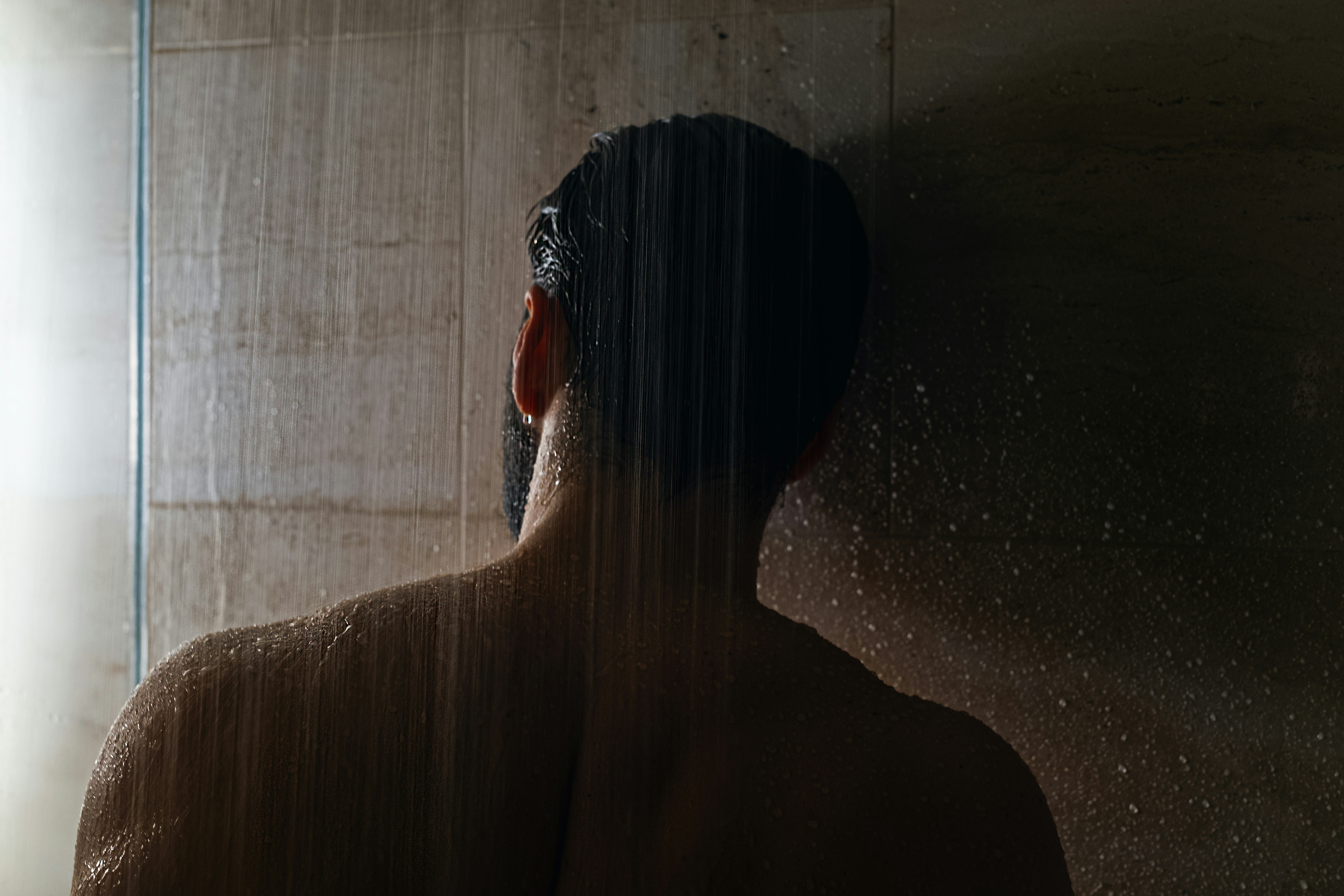
Why Hot Showers Feel Like Therapy: The Science Of Showering Your Stress Away
Photo by Victor Furtuna on Unsplash
There is a reason a hot shower can feel like an emotional reset button.
Not actual therapy, of course. Please do not cancel your next appointment and tell your therapist that a bottle of body wash has taken over from here. But many people know the feeling: you step into warm water after a long, overstimulating day, and something in your body finally lets go.
Your shoulders lower. Your jaw unclenches. Your breathing slows down. The world gets muffled behind the bathroom door, and for a few minutes, you are not answering messages, solving problems, making decisions, feeding anyone, finding anyone’s lost shoe, or being emotionally available to every living creature in a 40-foot radius.
You are just in the shower.
And that matters more than we give it credit for.
A warm shower combines several powerful body-based cues at once: heat, pressure, sound, privacy, routine, and sensory comfort. None of those things magically erase stress, pain, or emotional overwhelm, but together, they can create a small pocket of safety. That little pocket can be enough for your body to soften, your nervous system to downshift, and your brain to stop acting like it has 87 tabs open and one of them is playing panic music.
This is why hot showers belong in the Pamper the Beast conversation.
Pampering is often treated like fluff. Something extra. Something shallow. Something you do after all the “real” health habits are handled.
But whole-human health is not only about workouts, nutrition, sleep schedules, and checklists. It is also about how safe you feel inside your own body. It is about whether your body ever gets to receive care instead of only being corrected, pushed, managed, or optimized.
Sometimes a hot shower is not just cleaning your skin.
Sometimes it is a tiny act of body kindness.
A Shower Is More Than Basic Hygiene
Most people think of showering as a simple hygiene task. You get in, wash your body, maybe wash your hair if you have decided to enter that separate Olympic event, and then move on with your day.
But your nervous system is not just experiencing soap and water. It is experiencing sensory input.
Warmth on your skin. The steady rhythm of water. The pressure against your shoulders, back, neck, or scalp. The sound that drowns out the rest of the house. The door closed. The world paused. The phone out of reach, unless you are one of those brave souls who brings it into the bathroom and risks creating a very expensive waterproofing experiment.
That sensory shift can be regulating because your nervous system is always scanning. It is constantly asking, even without your conscious awareness, whether you are safe, rushed, overwhelmed, needed, threatened, or about to be interrupted.
A warm shower can send a different message.
For a few minutes, you are not performing. You are not producing. You are not responding. You are not available. Your body gets to exist without having to prove its usefulness.
For some people, that is the most relaxed they feel all day.
This also explains why showers can bring emotions to the surface. During the day, many of us are extremely good at functioning. We answer the messages. We get the tasks done. We keep moving. We become a productive little spreadsheet with legs.
Then the shower starts, the door closes, the water hits, and suddenly every feeling you have been outrunning decides it has found the perfect meeting location.
And sometimes those feelings do not arrive politely. Sometimes they storm in like they have been waiting all day for you to stop being useful to everyone else.
One minute you are washing your hair like a perfectly normal adult human. The next minute, you are sitting on the shower floor like the lead character in a dramatic early-2000s music video, water splashing on your back, shampoo sliding into your eye, questioning your entire existence while staring at the drain like it might contain ancient wisdom.
It is never the graceful version, either. It is not one perfect tear under soft lighting. It is wet hair stuck to your face, soap threatening your cornea, knees pulled up, water pressure attacking your shoulder blade, and your brain suddenly processing the email, the weird comment, the tone in that text, the fact that you are tired, the fact that adulthood is apparently laundry, snacks, appointments, bills, and trying to figure out which container in the fridge is leftovers and which one has become a science project.
That moment may feel dramatic, but it is not necessarily a sign that you are “too emotional.”
It may be a sign that your body finally has enough quiet to stop holding everything so tightly.
Warm Water Helps The Body Stop Bracing
A big reason hot showers feel good is that warmth has real physical effects.
Heat can increase blood flow near the skin and surrounding tissues. It can help muscles feel less stiff. It can reduce the sensation of tension in areas that have been clenched for hours. This is why heat therapy, warm compresses, heating pads, warm baths, and warm showers are so commonly used when people feel tight, achy, or sore.
Most of us do not need a physiology textbook to understand this. We have felt it.
You step into the shower with your shoulders practically living next to your ears. Your neck feels like it has been personally victimized by your calendar. Your jaw is locked like it is guarding state secrets. Then the warm water hits the exact area that has been holding stress all day, and your body starts to soften.
That shoulder drop is not just your bathroom turning into a sacred healing cave.
Your body may be responding to warmth, water pressure, and a change in sensory input.
This is important because many people spend their entire day braced without realizing it. We brace in our shoulders. We brace in our stomachs. We clench our jaws. We hold our breath. We tighten our hips. We rush from one thing to the next, carrying tension like it is part of the job description.
Sometimes the body needs a cue that it is allowed to let go.
A warm shower can be that cue.
No, a shower is not going to heal an injury, fix chronic pain, or undo years of stress in ten minutes. We are not doing magical bathtub science. But a hot shower can provide a small, realistic moment where your body gets to stop living in “brace for impact” mode.
And if your body has been bracing all day, even a small break matters.
Why A Warm Shower Before Bed Can Support Sleep
The sleep piece is one of the strongest research-backed reasons warm showers get so much attention.
A 2019 systematic review and meta-analysis looked at warm baths and showers before bed. The researchers found that water-based passive body heating about one to two hours before bedtime was associated with better sleep quality and shorter sleep onset latency, which is the amount of time it takes to fall asleep. The water temperature range that showed benefits was about 104 to 109 degrees Fahrenheit, for at least around ten minutes.
At first, that can sound backward. Wouldn’t getting warm make you more awake?
The key is what happens after the shower.
When you step out of warm water, your body begins releasing heat through the skin, especially through areas like your hands and feet. This helps your core body temperature drop. That drop in core temperature is part of the body’s natural preparation for sleep.
In other words, a warm shower can help create a transition signal.
The day is ending. The mental tabs can start closing. Your body is allowed to power down.
This is one of the reasons a shower can feel more realistic than a complicated bedtime routine. A lot of sleep advice sounds great in theory but slightly insulting when you are already exhausted. It can start to feel like you need to avoid screens for half your life, meditate under the moon, journal beautifully, stretch with perfect lighting, and turn your bedroom into a Scandinavian cave.
A warm shower is simpler than that.
It does not have to become a whole personality renovation. It can just be a cue. A transition. A repeatable signal that helps your body move from daytime demand mode into nighttime recovery mode.
The timing does matter, though. If you are using a shower to support sleep, the research points more toward taking it one to two hours before bed rather than immediately before you crawl under the covers. A shower that is too hot too close to bedtime can leave some people feeling sweaty, irritated, and wide awake.
Warm and soothing is the goal.
We are not trying to boil the beast.
Baths May Have Benefits Too, But Showers Still Count
Some of the stronger research in this area looks at warm baths or water immersion rather than showers alone. That makes sense. Sitting in a bath surrounds more of the body with warm water for a longer stretch of time, which creates a different kind of heat exposure.
One randomized study comparing immersion bathing with showering found that immersion bathing had stronger effects on several self-reported outcomes, including fatigue, stress, pain, tension, anxiety, anger, and mood.
So yes, baths may offer some extra full-body relaxation benefits.
But that does not mean showers are pointless.
A bath is full-body soup mode. A shower is warm waterfall reset mode. They are different experiences, and both can be useful.
Not everyone has a bathtub. Not everyone likes baths. Some people last approximately three minutes before they feel like a sad tea bag with nothing to do. Some people have kids knocking on the door. Some people have tubs currently storing laundry, toys, or the emotional wreckage of a Tuesday.
Use what you have.
That is the heart of Pamper the Beast. Not creating a perfect spa fantasy. Not performing self-care for an imaginary audience. Just finding small ways to send your body a signal of care in the middle of real life.
Why Showers Can Feel Emotionally Safe
A shower may be one of the only times all day when you are not expected to produce, respond, decide, explain, cook, clean, comfort, fix, answer, or be available.
The door closes. The water runs. The sound is steady. The world becomes softer around the edges.
That privacy can give emotions room to catch up.
Many people do not feel their feelings when they are in survival mode. They feel them once there is enough safety to feel them. This is why you can be completely functional all day and then suddenly feel emotional in the shower. Your nervous system finally has a minute.
The shower is warm, private, repetitive, predictable, and separate from the demands of the day. For some people, that combination creates just enough space for emotions to surface.
A shower will not solve the whole story.
But it can create enough space for you to notice what you have been carrying.
And noticing matters because you cannot care for what you refuse to notice.
Physical Warmth Can Feel Like Emotional Comfort
There is also an interesting psychological angle around warmth and comfort.
Some research has explored the connection between physical warmth and social warmth, or the idea that warmth can feel emotionally soothing because our bodies associate it with closeness, care, and safety.
This area of research is not as strong or settled as the sleep research, so we do not need to declare that hot showers scientifically replace hugs. Please do not tell people your shower is your boyfriend now.
But the experience makes sense.
A warm blanket can feel comforting. A warm mug in your hands can feel grounding. Sunlight on your skin can feel soothing. A heating pad on a tense muscle can feel like a tiny miracle sent from the heavens.
Physical warmth can feel nurturing.
And a lot of people are not just physically tired. They are emotionally tired. Decision tired. Caregiving tired. The specific kind of tired that comes from holding everything together for everyone else while nobody asks if they are okay.
A shower cannot fix all of that.
But it can be one small moment where your body receives warmth instead of pressure. One small moment where care is not something you give outward, but something you allow inward.
For many people, that is harder than it sounds.
If you are used to caring for everyone else, even receiving care from yourself can feel unfamiliar. A warm shower can become a tiny practice in receiving. Letting the water hit your skin. Letting your shoulders drop. Letting yourself pause without earning it first.
That is not silly.
That is relationship repair with your own body.
How To Turn Your Shower Into A Small Self-Care Ritual
You do not need a luxury shower routine to make your shower more restorative. You do not need a $38 shower steamer with a name like Sacred Mist of Inner Peace or Forest Bathing for People With Email Anxiety.
You just need a little intention.
Before you get in, remind yourself that you are allowed to pause. Your body deserves care. You can put the day down for ten minutes. This is not wasted time.
Once you are in, keep the water warm rather than lava-level hot, even if you personally enjoy shower temperatures that suggest you may be part dragon. Let the water hit the places where you tend to hold tension, like your neck, shoulders, upper back, jaw, or chest.
Before you rush into scrub mode, take three slower breaths.
Unclench your jaw.
Drop your shoulders.
Let your belly soften.
If your brain starts building a to-do list, because of course it will, remind yourself that this is not the time for mental project management. You are in the tiny waterfall office, and the meeting has been canceled.
Scent can be part of the ritual if it feels good to you. Use whatever is already in your shower: body wash, shampoo, conditioner, soap, or the bottle that has been fighting for its life on the corner shelf since who knows when. If you have a fancy shower steamer and love it, gorgeous. Enjoy it. If all you have is regular shampoo, mystery soap, and the emotional strength to stand upright while the water runs, that counts too.
When you get out, make the transition gentle. Dry off slowly. Put on something comfortable. Moisturize if that feels good. Drink some water if you got very warm. If the shower is part of your bedtime routine, give your body time to cool down before sleep.
The ritual is not perfection.
It is not performance.
It is care.
A Quick Safety Note About Hot Water
Hotter is not automatically better.
Very hot water can irritate or dry out the skin. For some people, too much heat can also cause dizziness, lightheadedness, or other issues. If you are pregnant, have low blood pressure, dizziness, heart-related conditions, neuropathy, heat sensitivity, or any medical condition where heat could be risky, check with a qualified medical professional and keep the water warm rather than extremely hot.
The goal is soothing.
Not fainting. Not overheating. Not proving you can survive a shower that feels like Satan’s jacuzzi.
The Bigger Point
Hot showers can feel therapeutic because they combine warmth, sensory comfort, muscle relaxation, privacy, ritual, and a temporary break from demand mode.
They give your body a chance to stop bracing.
They create a small space where you are not being measured, judged, corrected, optimized, or asked to do more.
That matters because so many people only relate to their bodies through correction.
Work harder. Eat cleaner. Burn more. Shrink. Tone. Fix. Improve. Optimize.
But what if your body does not always need more discipline?
What if sometimes it needs tenderness?
What if care is not something you have to earn after everything else is finished?
A shower may seem small, but small acts of care are not meaningless. They are how you begin to rebuild trust with your body. They are how you remind yourself that you are a person, not a project.
So the next time you step into a warm shower, try not to rush through it like it is just another chore. Let it be a transition. A reset. A moment where your body gets to feel cared for instead of managed.
Because pampering is not luxury. It is not laziness. It is not another self-care assignment to perform perfectly.
Sometimes, it is simply a small act of body kindness.
And sometimes, body kindness is one of the simplest ways to start unveiling the beautiful Beast within you.
Watch YouTube Video Here:
Sources and References
Before-Bedtime Passive Body Heating By Warm Shower Or Bath To Improve Sleep: A Systematic Review And Meta-Analysis
https://pubmed.ncbi.nlm.nih.gov/31102877/
https://www.sciencedirect.com/science/article/abs/pii/S1087079218301552
Effects Of Bathing-Induced Changes In Body Temperature On Sleep
https://pubmed.ncbi.nlm.nih.gov/37684642/
https://link.springer.com/article/10.1186/s40101-023-00337-0
Physical And Mental Effects Of Bathing: A Randomized Intervention Study
https://pmc.ncbi.nlm.nih.gov/articles/PMC6011066/
Effectiveness Of Hydrotherapy And Balneotherapy For Anxiety And Depression Symptoms: A Meta-Analysis
https://link.springer.com/article/10.1007/s12144-024-06062-w
Current Indications And Future Direction In Heat Therapy For Musculoskeletal Pain: A Narrative Review
https://www.mdpi.com/2813-0413/3/3/19
https://pubmed.ncbi.nlm.nih.gov/40757591/
The Substitutability Of Physical And Social Warmth In Daily Life
https://pmc.ncbi.nlm.nih.gov/articles/PMC3406601/
On The Association Between Loneliness And Bathing Habits
https://pubmed.ncbi.nlm.nih.gov/24821396/



Copyright 2025 | Beautiful Beast Within Studios LLC | Privacy Policy